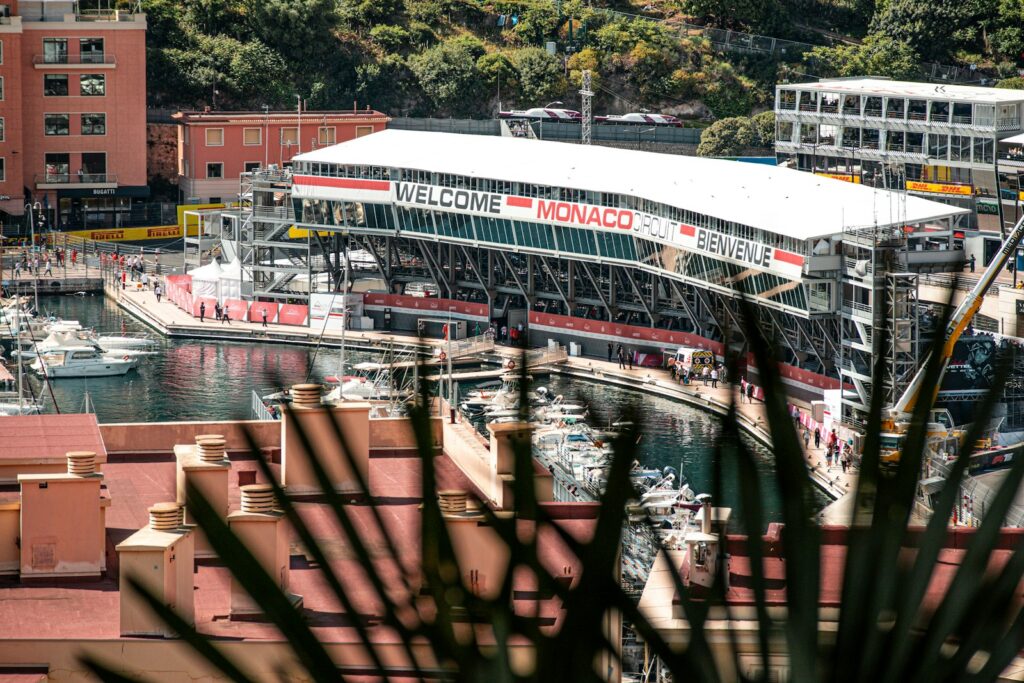
Cover photo: Port Hercule, Monaco — Wyatt Simpson, via Unsplash (free Unsplash licence).
By Roddy Carlo
Founder & Editor, FrancoDeal Magazine
Second stop in our Capitals of Luxury series, and a complete change of scale. After the grand boulevards of Paris, here is a country you can cross on foot in half an hour: barely more than two square kilometres pressed between the Alps and the Mediterranean, home to some forty thousand residents — and to a density of achievement, discretion and beauty that no other place on earth quite matches.
Monaco is often reduced to a caricature of wealth. Spend a few days there, however, and a different picture emerges: a meticulously kept city-state where streets are safe at any hour, where gardens are tended like private courtyards, and where a genuine village life persists behind the glass towers. It is this Monaco — the careful one, the human one — that explains the numbers that follow far better than any cliché.
Two Square Kilometres of Quiet Superlatives
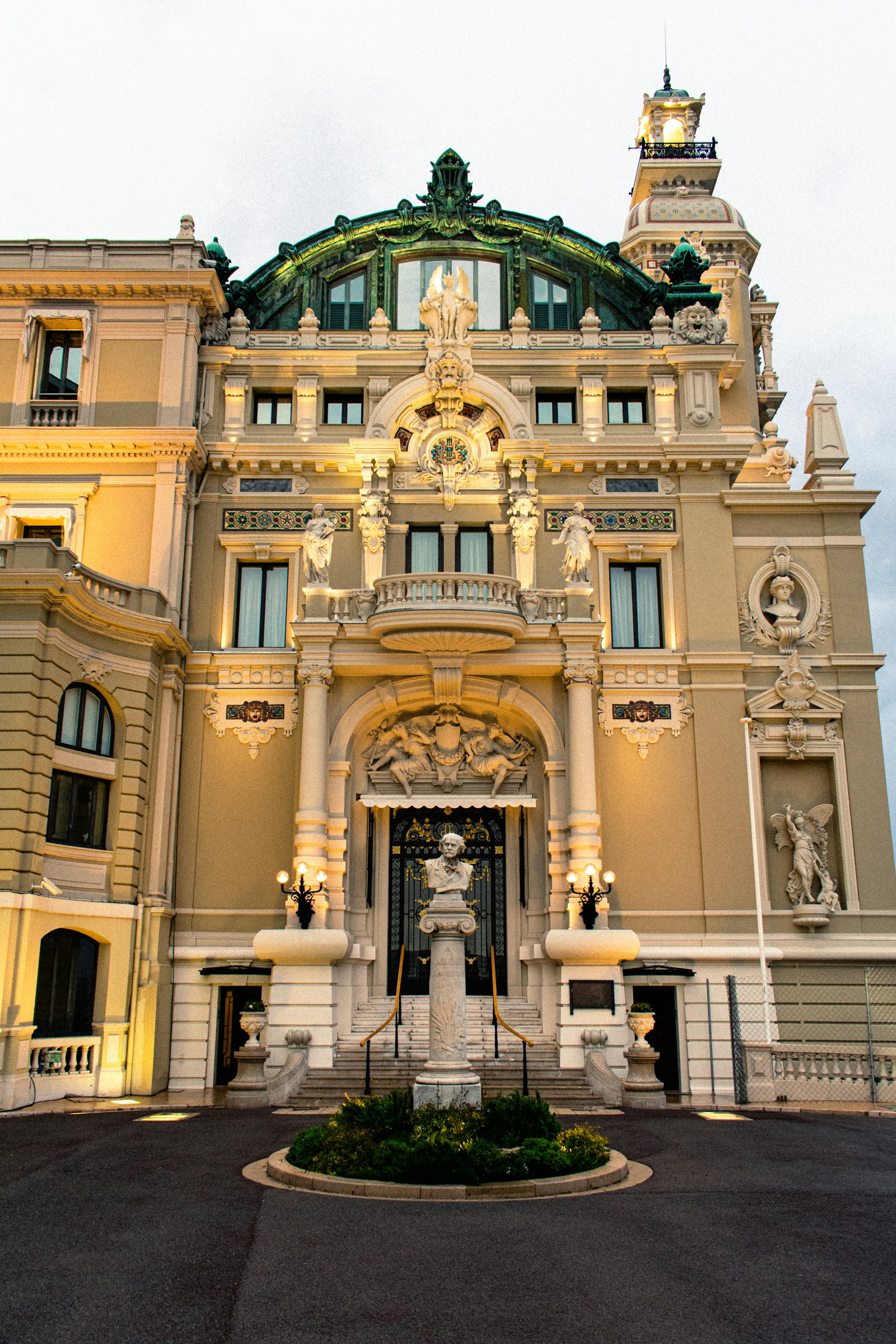
The Principality’s luxury is mature in the fullest sense: built patiently over a century and a half, anchored by institutions rather than fashions. The Casino de Monte-Carlo, inaugurated in 1863 and run by the Société des Bains de Mer, remains less a temple of chance than a theatre of elegance, surrounded by the Opéra and the great café terraces of the Place du Casino. Around it, each district plays its own note: the Carré d’Or for boutiques and palaces, Larvotto for the seafront, Fontvieille for its marina and quiet residential calm, La Condamine for the market stalls where billionaires and bakers queue side by side.
The newest note is Mareterra, the eco-district delivered on land reclaimed from the sea — a reminder that Monaco’s true craft has always been urbanism itself: when a country cannot grow outward, it must build with the patience and precision of a watchmaker.
What strikes the visitor most, though, is not the skyline but the scale of care. Monaco employs an astonishing number of gardeners for its size; its museums, from the Oceanographic Museum to the Villa Paloma, are world-class; and its calendar — the Grand Prix, the opera season, the great charity galas — is run with a courtesy that money alone cannot buy. Luxury here is, above all, a standard of attention.
The Most Coveted Square Metres on Earth
The figures published by IMSEE, Monaco’s statistics institute, for 2025 confirm what everyone suspects and few grasp fully. The average resale price reached about 57,500 euros per square metre — the highest in the world. Larvotto, the seafront district, crossed the 70,000-euro threshold for the first time, at an average of roughly 71,000 euros per square metre. Within the new Mareterra quarter, entry prices are reported around 80,000 euros and can exceed 100,000 euros for exceptional properties. In Monte-Carlo alone, resales surpassed 1.1 billion euros over the year.
Behind these figures lies a simple truth: scarcity here is not a marketing device but a law of geography. Every square metre has been won from the mountain or the sea, engineered, landscaped and maintained with a precision that honours the people who build and keep it. Property in Monaco is not merely expensive; it is finite — and it is looked after the way couture is looked after in Paris.
September on the Horizon: The 35th Monaco Yacht Show
If one event distils the Principality’s maritime soul, it is the Monaco Yacht Show, whose 35th edition will be held from 23 to 26 September 2026 in Port Hercule. Since 1991, the show has grown into the world’s leading superyacht gathering: this year, more than 125 yachts are expected along the quays, alongside over 560 exhibitors presenting everything from naval architecture to the sustainable technologies that are quietly reshaping the industry.
We will be following this edition closely in a dedicated feature this September. For now, note the dates: for four days, the harbour that Grace Kelly once gazed upon becomes the most extraordinary marina on earth — and, tellingly, much of the conversation now concerns cleaner propulsion and responsible cruising as much as sheer size. The industry’s best minds have understood that the sea they celebrate must also be protected.
About the Author
Roddy Carlo is the founder of the FrancoDeal ecosystem, including FrancoDeal Magazine, FrancoDeal Collections and FrancoDeal AI Studio. Through a multilingual editorial approach, he covers destinations, hospitality, maritime culture and premium travel experiences for an international audience.


